Review: The U.S. Constitution — A Comprehensive and Annotated Guide for the Modern Reader
NYU law professor Melissa Murray walks through the Constitution amendment by amendment, showing how a 237-year-old document shapes the headlines of 2026.
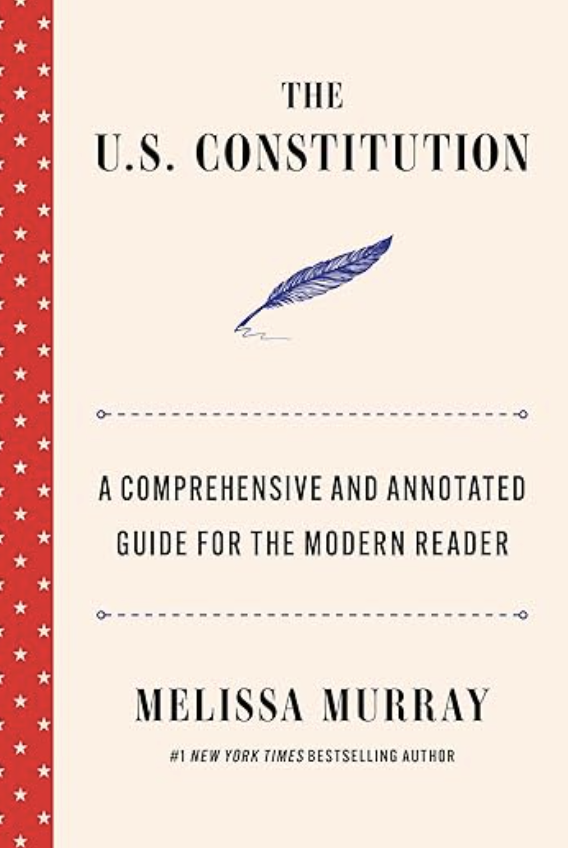
The Constitution, Explained
Most Americans have read pieces of the Constitution — the First Amendment, maybe the Second, the preamble if they memorized it in school. Very few have read the whole thing, and fewer still understand how its clauses interact, conflict, and evolve through judicial interpretation. Melissa Murray's The U.S. Constitution: A Comprehensive and Annotated Guide for the Modern Reader aims to change that.
Murray, the Frederick I. and Grace Stokes Professor of Law at NYU and co-host of the legal podcast Strict Scrutiny, brings the same accessible, sharp analysis to the page that has made her one of the most sought-after legal commentators on television. Each article and amendment gets its own treatment: historical context for why it was written, key Supreme Court cases that interpreted it, and examples of how it shapes policy debates today.
What Makes This Edition Different
There is no shortage of annotated constitutions. What distinguishes Murray's is its relentless focus on modern relevance. This isn't a historical artifact under glass — it's a living document that determines everything from whether your phone can be searched without a warrant to whether states can ban certain medical procedures.
Murray connects each provision to current controversies without reducing the document to a partisan weapon. The Second Amendment section, for example, traces the arc from the militia-focused understanding of the founding era through District of Columbia v. Heller (2008), which established an individual right to bear arms, to ongoing debates about the scope of that right. Readers across the political spectrum will find their positions taken seriously — and challenged.
The book arrives at a moment when constitutional literacy has never been more important. As Americans debate executive power, judicial independence, the electoral college, and the boundaries of free speech, having a clear, authoritative reference — one that explains what the document actually says, how courts have interpreted it, and what remains contested — is essential equipment for engaged citizenship.
Why It Matters for the People's Assembly
If you're voting on polls at Constitution.Vote, you're engaging with constitutional questions every day — whether you realize it or not. Should the government regulate social media? That's a First Amendment question. Should voter ID be required? That touches the Fourteenth and Fifteenth Amendments. Should the Electoral College be abolished? That's Article II and the Twelfth Amendment.
Murray's book is the reference manual for understanding why these questions are hard — and why the Constitution's answers aren't always as clear as either side claims. For anyone who wants to vote on policy with a deeper understanding of the constitutional framework those policies operate within, this is essential reading.
Book Details
Title: The U.S. Constitution: A Comprehensive and Annotated Guide for the Modern Reader
Author: Melissa Murray
Publisher: 37 Ink / Simon & Schuster
Publication Date: May 4, 2026
ISBN: 978-1-6682-2193-8
Availability: Amazon · Simon & Schuster · Bookshop.org
Ready to make your voice heard?
Join the people's assembly and vote on the issues that matter. Your voice, verified and counted.
Continue Reading
Amendments That Changed Everything
Twenty-seven times, the American people have rewritten the rules. These are the amendments that bent the arc of history.
Civic FoundationsThe Constitutional Convention of 1787
Fifty-five men in a sweltering Philadelphia room invented a nation. Here's what they argued about — and what they got wrong.
Civic FoundationsThe Federalist Papers: A Modern Reader's Guide
Eighty-five essays that sold America on its own Constitution — and still have something to teach us.